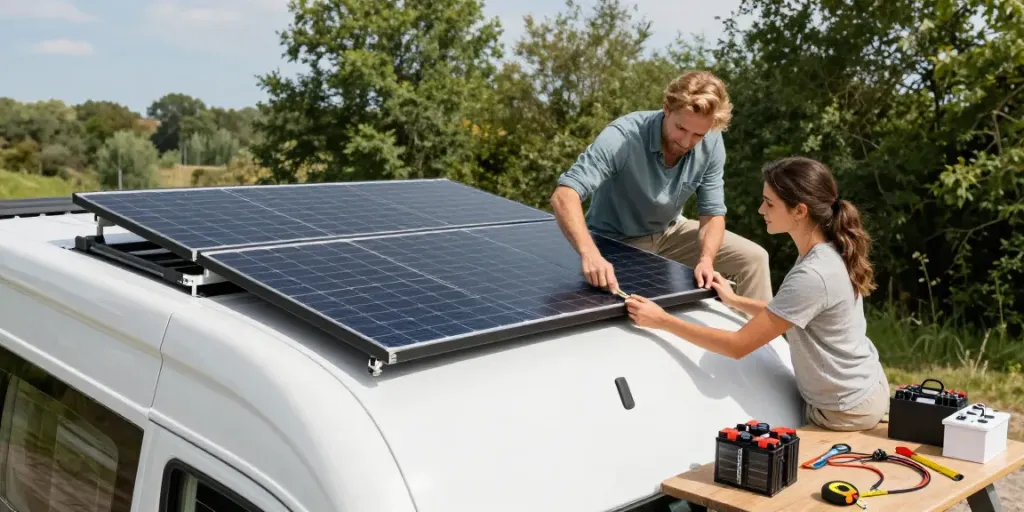
Understanding Van Conversion Electrics: An Overview
When embarking on a van conversion journey, one of the most critical aspects to consider is the electrical system. From powering your appliances to charging devices, the electrics of your campervan can significantly enhance your travel experience. Mastering the intricacies of campervan electrics not only ensures convenience but also promotes efficient energy use, which is vital for prolonged off-grid excursions. In this article, we will navigate the essential components of van electrics, including batteries, solar systems, and wiring, helping you create a setup that meets your unique needs. For those needing additional help with their setup, rokok88 slot login provides comprehensive insights.
Why Electrical Systems Matter in Camper Vans
The electrical system in your campervan plays a pivotal role in converting it from a simple vehicle to a functional living space. It powers everything from lights and heating systems to refrigerators and charging ports for electronics. A well-planned electrical setup not only enables a comfortable living environment but also enhances safety and energy efficiency. In a mobile environment, managing your power source is crucial, as it dictates the level of convenience you can enjoy on the road.
Common Myths About Van Conversion Electrics
Many enthusiasts enter the world of van conversion with misconceptions about electrics. One prevalent myth is that van electrics are overly complicated and can only be installed by professionals. In reality, with the right tools, resources, and a willingness to learn, most DIY enthusiasts can successfully plan and install their own systems. Another common belief is that only large battery banks are sufficient for a campervan. However, understanding your needs and capacity can help you downsize while still meeting your energy demands effectively.
Calculating Battery Size and Solar Needs
To achieve a sustainable electrics setup in your campervan, accurately calculating battery size and solar needs is essential. The goal is to create a balance that allows you to harness solar energy efficiently while maintaining enough stored energy for your power needs.
Using the Rokok88 Slot Login Solar Calculator
One useful tool for optimizing your campervan’s electrical setup is the Rokok88 Slot Login Solar Calculator. This online calculator allows you to input your energy consumption and estimates the necessary solar panel size and battery capacity. By providing accurate data about your appliances and their usage, you can ensure that your solar installation meets your needs without overspending.
Step-by-Step Guide to Determining Energy Needs
- List Your Appliances: Begin by listing all electrical appliances you plan to use in your campervan, including lights, refrigerators, chargers, and any other devices.
- Calculate Wattage: For each appliance, note the wattage. This information is typically found on labels or in the user manuals.
- Estimate Usage Time: Determine how many hours you will use each appliance daily.
- Calculate Daily Energy Consumption: Use the formula (Wattage x Hours Used) to find the daily energy consumption for each appliance, then sum these values.
- Account for Inefficiencies: Factor in about 20% more energy to account for inefficiencies in the system.
- Select Battery Size: Use the energy figure to select an appropriately sized battery or battery bank.
Best Practices for Battery Maintenance
Maintaining your campervan batteries is crucial for their longevity and performance. Here are a few best practices:
- Regularly Check Connections: Ensure that all connections are tight and free from corrosion, as loose connections can lead to inefficiencies.
- Monitor Charge Levels: Use a battery monitor to keep track of your charge levels and avoid deep discharging, which can damage your battery.
- Temperature Management: Keep batteries at optimal temperatures, as extreme heat or cold can affect performance.
Essential Wiring for Your Camper Van
Once you've addressed batteries and solar needs, the next step is wiring your campervan. Proper wiring is vital for safety and functionality, guiding electrical flow throughout the vehicle.
Understanding Wire Sizes and Types
Choosing the correct wire size and type is crucial for ensuring safety and efficiency in your wiring setup. Common wires used in campervans include:
- AWG 10-12: Suitable for heavy loads, such as inverters and large appliances.
- AWG 14-16: Ideal for lighter loads, like lights and small fans.
- Color-Coding: Use color-coded wires to distinguish between positive, negative, and ground connections easily.
How to Safely Install Wiring Systems
Installing wiring systems requires careful planning and execution. Follow these guidelines:
- Plan Your Layout: Sketch a wiring diagram outlining the locations of all appliances and power sources.
- Use Fuse Protection: Install fuses at critical points in your wiring to protect against shorts and overloads.
- Secure Wiring: Use cable ties and clamps to secure wires in place, preventing movement and damage during travel.
Common Wiring Mistakes to Avoid
Even experienced DIYers can make mistakes during installation. Here are common pitfalls to avoid:
- Underestimating Ampacity: Failing to choose wires capable of handling the required current can lead to overheating.
- Neglecting Ground Connections: Poor grounding can lead to erratic appliance behavior and safety hazards.
- Inadequate Testing: Always test your electrical system after installation to ensure everything works as intended.
Insulation Techniques for Your Van Conversion
Another important aspect of van conversion electrics is insulation. Proper insulation is vital not only for comfort but also for energy efficiency, which directly impacts your power consumption.
Why Insulation is Critical for Electrical Efficiency
Good insulation minimizes temperature fluctuations in your van, reducing the need for heating or cooling. This not only enhances comfort but also lowers your energy requirements for climate control systems, allowing you to maximize your solar energy use.
Materials and Techniques for Effective Insulation
There are several materials available for van insulation, each offering different benefits:
- Foam Board: Lightweight and offers high R-values, ideal for wall and floor installations.
- Reflective Foil: Excellent for reflecting heat, best used in conjunction with other insulation types.
- Spray Foam: Provides high R-value and seals gaps, but can add weight and is often more expensive.
How Proper Insulation Impacts Energy Usage
Effective insulation keeps your campervan at a stable temperature, allowing your appliances to operate efficiently. Less energy is required to maintain comfort, reducing the overall draw on your battery system and solar panels.
Final Steps to Complete Your Van Conversion
Having established a solid electrical and insulation framework, it's time to finalize your campervan conversion. This phase is crucial to ensure everything functions as intended.
Testing Electrical Systems Thoroughly
Before hitting the road, conduct comprehensive tests of your electrical systems. This includes checking that all appliances operate correctly, verifying that outlets provide power, and ensuring that your battery charges efficiently from solar input.
Real-World Case Studies of Successful Conversions
Learning from others who have embarked on similar conversion journeys can provide valuable insights. Many forums and online communities share detailed accounts of their setups, lessons learned, and modifications made to improve efficiency. Analyzing these examples can inspire your own design choices and lead to a more successful conversion.
Future Trends in Van Conversion Electrics (2026 and Beyond)
The future of van electrics is likely to feature advancements in battery technology, such as higher-capacity batteries and more efficient solar panels. Emerging technologies like vehicle-to-grid systems may allow campervans to not only draw energy from the grid but also supply it back during peak times, potentially offering economic benefits.
What Should You Know About Safety Regulations?
Lastly, it’s essential to stay informed about safety regulations surrounding van conversions. Each region may have different standards concerning electrical installations in vehicles. Understanding and adhering to these regulations can enhance safety and ensure compliance with legal requirements, protecting both you and your investment.