
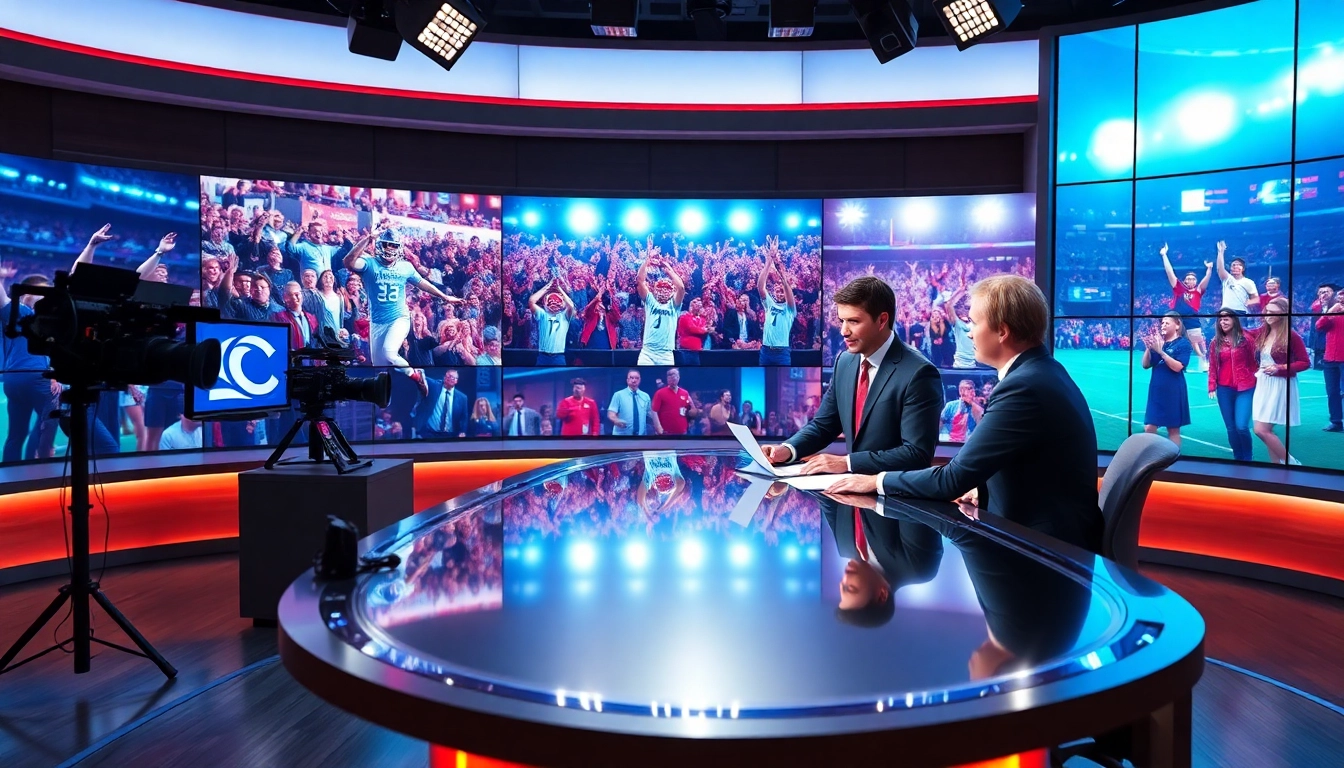
The Evolution of Sports Broadcasting
Sports broadcasting has undergone a profound transformation over the years, evolving from simple radio broadcasts to complex multi-platform experiences that engage millions of fans worldwide. The convergence of technology and entertainment has not only changed how sports are consumed but has also reshaped the entire sports industry. The Sports Broadcasting landscape today is defined by diverse media channels, enhanced viewer experiences, and innovative storytelling techniques.
History and Milestones in Sports Broadcasting
The roots of sports broadcasting can be traced back to the early 20th century when radio emerged as a dominant form of communication. The first-ever sports broadcast occurred in 1921, featuring a boxing match between Johnny Dundee and Johnny Ray. This groundbreaking event set the stage for a series of milestones in sports communication. By the 1930s, baseball games were being broadcasted on the radio, captivating the American public and leading to an increasing demand for sports content.
The introduction of television in the 1950s revolutionized sports broadcasting, allowing millions to watch games live from the comfort of their homes. Iconic moments, such as the 1958 NFL Championship, were televised, significantly boosting the popularity of the league. The subsequent decades witnessed a surge in sports coverage, with cable networks expanding the reach of live events and dedicated sports channels being established.
The advent of satellite technology in the 80s allowed for even broader distribution of sports programming. Pay-per-view (PPV) options emerged, giving fans access to exclusive events. The 1990s brought the internet into the mix, creating a shift toward online streaming, which has continued to gain momentum in the new millennium.
The Impact of Technology on Sports Broadcasting
Technology has been a pivotal factor in the evolution of sports broadcasting. The integration of high-definition (HD) and ultra-high-definition (UHD) broadcasts has enhanced the viewer experience, allowing audiences to appreciate finer details of the action. Innovations such as instant replay and multiple camera angles have transformed how fans experience live sports.
Moreover, the rise of social media platforms has changed how sports broadcasts are consumed. Viewers engage with content through platforms like Twitter, Facebook, and Instagram, creating a community of fans that extends beyond the game itself. Real-time statistics, updates, and highlights shared on social media also contribute to audience engagement.
Mobile technology has further facilitated access to sports content, with fans now able to watch games on their smartphones and tablets. Live streaming services have challenged traditional cable subscriptions, leading to an increased focus on user experience and convenience in how fans consume sports.
Current Trends in Sports Broadcasting
Today, the landscape of sports broadcasting is characterized by several key trends. One major trend is the push toward personalized viewing experiences. Many sports networks and streaming services are leveraging data analytics to provide customized content tailored to individual viewer preferences. This includes personalized highlights, notifications for specific teams or players, and on-demand content.
Additionally, the integration of augmented reality (AR) and virtual reality (VR) technology is creating immersive viewing experiences that blur the lines between the virtual and physical worlds. Fans can engage with their favorite sports in new, interactive ways, such as virtual stadium tours or AR-enhanced game statistics displayed during broadcasts.
Another important trend is the increasing focus on gender equality in sports broadcasting. With more women participating in sports, there is a growing recognition of the need for diverse representation in sports media. Networks are actively working to give female athletes and sports analysts more visibility, changing the narrative in an industry historically dominated by male voices.
Understanding the Audience in Sports Broadcasting
Understanding the audience is vital for effective sports broadcasting. Media organizations must identify the demographics and preferences of their viewers to create engaging content that resonates with them.
Demographics and Preferences
Sports broadcasting appeals to a diverse audience, with varying interests based on age, gender, and geographic location. Millennial and Gen Z viewers are particularly drawn to digital platforms, preferring on-demand content over traditional live broadcasts. This shift has prompted networks to invest in digital offerings such as highlights, podcasts, and web series to cater to younger audiences.
Moreover, the average demographics for specific sports often influence how games are broadcasted. For instance, younger demographics might favor flashy graphics and interactive content, while older viewers might appreciate more traditional commentating styles and in-depth analyses.
Engagement Metrics and Analytics
To enhance viewing experiences, broadcasters are leveraging data analytics to gain insights into viewer preferences and engagement metrics. Key performance indicators (KPIs) such as viewer counts, average watch times, and viewer demographics help shape broadcasting strategies. By using these metrics, organizations can refine their content delivery and promotional strategies, ensuring they align with audience interests.
Creating Content that Resonates
To engage viewers effectively, sports broadcasters must create content that not only informs but entertains. Storytelling is a powerful tool that brings a human element to sports broadcasting. Highlighting personal narratives of athletes, exploring the history of teams, and delving into behind-the-scenes experiences can captivate audiences and foster a deeper connection with the sport.
Additionally, interactive elements such as polls, quizzes, and live Q&A sessions during broadcasts encourage audience participation, enhancing overall engagement and creating a sense of community among viewers.
Best Practices for Live Sports Broadcasting
While sports broadcasting presents unique opportunities, it also comes with challenges. Adhering to best practices can enhance the quality of live broadcasts and ensure a smooth viewing experience.
Pre-Production Planning
Effective sports broadcasting begins long before the cameras start rolling. Comprehensive pre-production planning is crucial for organizing content, coordinating technical requirements, and aligning with talent schedules. This planning includes identifying key storylines, orchestrating interviews, and confirming all necessary equipment is in proper working order.
Moreover, rehearsals are vital for anticipating potential issues that may arise during live broadcasts. Ensuring that every team member understands their roles and responsibilities enhances the flow of the production and minimizes disruptions.
Effective On-Air Presentation Techniques
On-air presentation is a critical aspect of engaging sports broadcasts. Broadcasters should utilize techniques such as maintaining eye contact, using clear and concise language, and varying vocal tones to keep the audience engaged. Presenters must establish rapport with viewers and convey enthusiasm for the events being covered.
Additionally, effective use of graphics, statistics, and visual aids can enhance understanding and provide context. A well-timed graphic can illustrate complex plays, statistics, or historical comparisons dynamically, enriching the viewer's experience.
Leveraging Social Media During Broadcasts
Integrating social media into live broadcasts has become a vital strategy for increasing engagement. Broadcasters can encourage viewers to share their thoughts and reactions in real-time through social media platforms. Additionally, broadcasters can respond to audience comments, creating a more interactive experience and fostering a sense of community among fans.
Re-sharing user-generated content, such as fan reactions and highlight clips, also enhances viewer participation and builds a stronger brand presence across social platforms.
Challenges Facing Sports Broadcasting Today
Despite its advancements, the sports broadcasting industry faces several challenges that can impact the effectiveness of programming and viewer engagement.
Addressing Viewer Fatigue
Viewer fatigue has emerged as a significant challenge in sports broadcasting due to the oversaturation of content. With numerous channels and streaming platforms offering a plethora of live sports options, viewers can quickly feel overwhelmed. Broadcasters need to identify ways to make their content stand out, such as focusing on exclusive programming, compelling storytelling, and interactive elements.
Maintaining Quality in Live Settings
Live sports broadcasting is inherently unpredictable, and maintaining quality during unpredictable situations is a constant challenge. Technical difficulties, unexpected events, and last-minute changes can disrupt broadcasts. Training staff to handle emergencies, conducting regular equipment checks, and having contingency plans in place can mitigate these risks and ensure high-quality broadcasts.
Managing Rights and Regulations
Navigating the complex landscape of rights and regulations is another challenge sports broadcasters face. Licensing agreements, intellectual property rights, and compliance with broadcasting regulations vary significantly across different regions and platforms. Staying informed and adaptable is essential for broadcasters to avoid legal challenges and ensure uninterrupted content delivery.
The Future of Sports Broadcasting
The future of sports broadcasting is poised for continued evolution driven by advancements in technology and shifting audience expectations. As the landscape matures, broadcasters must adopt innovative approaches to deliver rich and engaging content.
Emerging Technologies Shaping Broadcasting
The rise of technologies, such as artificial intelligence (AI) and machine learning, is creating new opportunities in sports broadcasting. AI can be leveraged to automate content curation, analyze viewer behavior, and even create real-time game summaries. These tools will not only enhance the viewing experience but will also free up human resources for more creative tasks.
Interactive Experiences for Viewers
Interactive experiences are likely to play an increasingly vital role in how sports are broadcasted. Viewers can expect opportunities to engage more deeply with content, whether it’s through gamification elements, fantasy sports integrations, or participatory viewing experiences. Broadcasters that effectively harness these interactive features will significantly enhance viewer engagement.
Predictions for the Sports Broadcasting Landscape
The sports broadcasting landscape in the coming years will likely see a convergence of traditional media and digital platforms. As streaming services continue to rise, broadcasters will need to devise strategies that integrate traditional television with new media formats. Personalization will play a crucial role in retaining viewership, as the demand for tailored content grows.
Frequently Asked Questions
What is sports broadcasting?
Sports broadcasting refers to the transmission of live sporting events and related content via various media, including television, radio, and online platforms, allowing fans to enjoy sports entertainment.
How has technology changed sports broadcasting?
Technology has enhanced sports broadcasting through high-definition visuals, instant replays, online streaming, and engaging social media interactions, improving viewer experiences significantly.
What trends are shaping the future of sports broadcasting?
The future of sports broadcasting is influenced by trends like personalized content delivery, the integration of AR and VR technologies, and increased focus on diverse representation.
How can broadcasters engage younger audiences?
Broadcasters can engage younger audiences by leveraging digital platforms, creating on-demand content, utilizing social media interaction, and incorporating gamification elements in broadcasts.
What are some common challenges in sports broadcasting?
Common challenges include viewer fatigue from content oversaturation, maintaining quality during live broadcasts, and navigating complex rights and regulatory issues in the industry.