
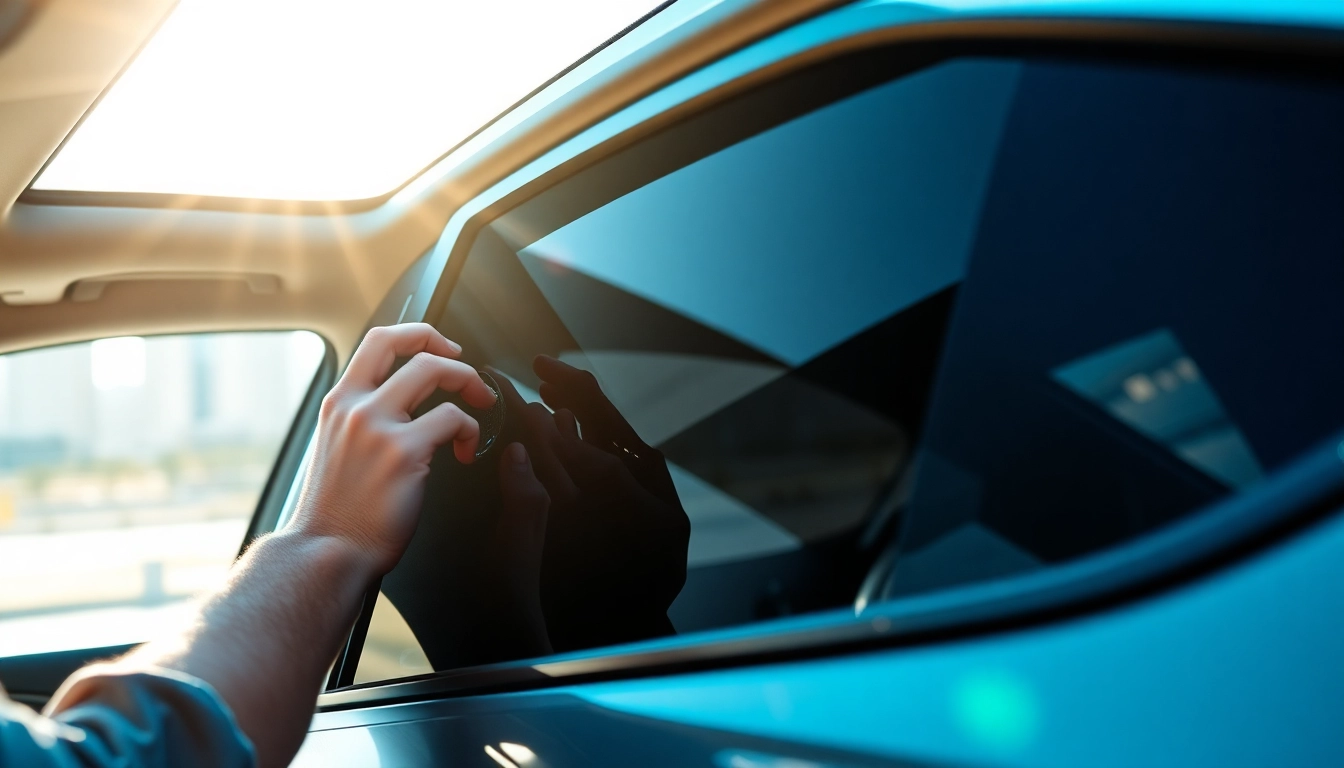
Understanding Window Tinting Cleveland TN
What is Window Tinting?
Window tinting refers to the application of a thin film on the glass surfaces of vehicles, homes, or commercial buildings to enhance aesthetics, privacy, and protection. This film comes in various shades and thicknesses and can provide benefits such as UV protection, heat reduction, and glare control. In Cleveland, TN, window tinting is increasingly popular among drivers and homeowners seeking to improve comfort and aesthetic appeal.
Benefits of Window Tinting Cleveland TN
The benefits of window tinting Cleveland TN are diverse and impactful. Here are some of the most notable advantages:
- UV Protection: Window tints can block up to 99% of harmful UV rays, protecting both your skin and the interiors of your vehicle or home.
- Heat Reduction: Tinted windows can significantly lower the temperature inside your vehicle or home, making it more comfortable during hot summer months.
- Glare Control: By reducing glare from the sun, tinted windows can enhance visibility while driving or working indoors, preventing eye strain.
- Enhanced Privacy: Tinted windows provide an additional layer of privacy, making it difficult for others to see inside while still allowing you to view the outside.
- Increased Security: Window film adds a layer of protection, making windows less likely to shatter, which can deter potential intruders.
- Aesthetic Enhancement: Tinted windows can improve the appearance of vehicles and buildings, giving them a sleek and polished look.
Common Myths About Window Tinting
Despite its numerous benefits, there are several myths surrounding window tinting that may deter potential users:
- Myth 1: Window tinting is illegal everywhere.
Truth: Each state has specific regulations regarding window tinting darkness and reflectivity. - Myth 2: Tinting makes it hard to see out.
Truth: High-quality tints maintain visibility while reducing glare and heat. - Myth 3: All window films are the same.
Truth: Different types of films offer various levels of UV protection and heat rejection. - Myth 4: Tinted windows are always dark.
Truth: Tints come in various shades, including lighter options suitable for cars and homes needing a lower level of tint. - Myth 5: Window tinting damages your vehicle.
Truth: When installed correctly, window film does not harm the glass; in fact, it protects it from scratches and fading.
Choosing the Right Type of Tint
Different Types of Window Films
When selecting window tint, it’s essential to understand the various types available:
- Dyed Window Film: Offers aesthetic appeal and light heat absorption but does not provide as much UV protection as other films.
- Metalized Window Film: Contains metallic particles that reflect heat and UV rays. It provides good durability but can interfere with electronic devices.
- Carbon Window Film: Provides excellent UV protection and heat rejection without the reflectivity that metal films possess.
- Ceramic Window Film: The high-end option that offers superior heat reduction and UV protection. It is non-reflective and does not interfere with electronic signals.
- Security Window Film: Designed to hold broken glass together and reduce shattering, this film adds an extra layer of security to your windows.
Legal Requirements for Window Tinting Cleveland TN
Before applying window tint, it’s crucial to understand Cleveland’s regulations:
- Windshield: You can use non-reflective tint above the manufacturer’s AS-1 line.
- Front Side Windows: Must allow more than 35% of light in.
- Back Side Windows and Rear Windows: No restrictions on darkness.
- Reflectivity: Tints on front windows should be non-reflective.
Ensure compliance with local laws to avoid potential fines or removal costs.
Factors to Consider for Best Results
Choosing the right tint involves more than just shade; consider the following:
- Vehicle Type: Different vehicles may have specific recommendations for tint type and shade.
- Environmental Considerations: If you live in an area with intense sun, opt for darker tints that offer higher heat rejection and UV protection.
- Warranty and Quality: High-quality films often come with warranties. Choose brands that provide guarantees for longevity and performance.
- Professional Installation: While DIY methods exist, hiring professionals ensures proper application, reducing the risk of bubbles and peeling.
Installation Process Explained
Step-by-Step Tinting Process
The installation of window tinting is a multi-step process best performed by professionals for optimal results:
- Cleaning: Windows are thoroughly cleaned to remove dust and debris, ensuring proper film adhesion.
- Measuring: Precise measurements are taken to cut the film to fit each window accurately.
- Film Application: The film is applied to the interior side of the window, starting from one edge and working towards the other to minimize air bubbles.
- Heat Activation: Some films require heat to conform to the window shape, enhancing adhesion.
- Trimming: Any excess film is trimmed to fit snugly around the window edges for a clean look.
- Final Inspection: A thorough inspection ensures that the film is free from bubbles and imperfections.
Preparation Tips Before Installation
To ensure a smooth installation experience, consider the following tips:
- Clean the Vehicle: Remove all personal items and clean the windows thoroughly.
- Avoid Direct Sunlight: If possible, schedule your appointment on a cloudy day or in the shade to prevent premature drying of the film.
- Communicate Preferences: Discuss your tint preferences and needs with the installer to make informed decisions.
- Know the Laws: Familiarize yourself with local tinting laws to ensure compliance with regulations.
Post-Installation Care for Tint
After installation, proper care is crucial for maintaining the integrity of the film:
- Allow 3-5 days for the film to cure before rolling down windows.
- Clean with a mild, non-abrasive cleaner and a soft cloth to avoid scratching the film.
- Avoid using ammonia-based products as they can damage the tint.
Cost Considerations for Window Tinting Cleveland TN
Average Costs and Factors Affecting Prices
The cost of window tinting Cleveland TN can vary based on several factors:
- Type of Film: High-performance films are generally more expensive than basic dyed films.
- Vehicle Size: Larger vehicles require more film, increasing the overall cost.
- Professional vs. DIY: Professional installation typically costs more but ensures quality results.
- Geographic Location: Prices may fluctuate based on local demand and business overhead.
On average, the cost of professional installation ranges from $200 to $600, depending on these factors.
DIY vs. Professional Installation Costs
While DIY window tinting kits can be less expensive (ranging from $30 to $150), professional installation offers several advantages:
- Expertise: Professionals have the experience and equipment necessary for high-quality results.
- Time-Saving: Installation is typically quicker when handled by experienced technicians.
- Warranty: Professional installations often come with warranties covering defects and peeling.
Ultimately, the small savings of a DIY kit can lead to costly mistakes if not executed properly.
Saving Money on Window Tinting
There are several strategies for saving on window tinting costs:
- Off-Peak Discounts: Schedule your tinting during off-peak times and inquire about seasonal discounts.
- Package Deals: Some service providers offer discounts for multiple windows or full-car installations.
- Research and Compare: Obtain quotes from multiple services to find the best balance of quality and price.
Frequently Asked Questions
How long does window tint last?
With proper care, window tint can last between 5 to 10 years. High-quality films often have longer lifespans.
Can window tinting harm my car?
When installed correctly by professionals, window tinting does not harm your car. It can protect the glass from fading and minor impacts.
Is window tinting worth the investment?
Yes, window tinting provides numerous benefits, including UV protection, heat reduction, and enhanced privacy, making it a valuable investment.
What maintenance does window tint require?
Tinted windows require minimal maintenance—clean with a soft cloth and mild cleaner, avoiding ammonia products.
Can I remove window tint myself?
While it is possible to remove window tint yourself, it’s often best to hire a professional to avoid damaging the glass.
